
The Best Fluffy Pancakes recipe you will fall in love with. Full of tips and tricks to help you make the best pancakes.
Are you ready to transform your kitchen into a high-end bistro? Many home cooks seek ways to elevate their standard sweets into something truly memorable. By blending rich cocoa with premium plant-based fats, you create a sophisticated experience that delights the palate.
This chocolate olive oil mousse is quickly becoming a favorite for those who appreciate modern culinary innovation. It bridges the gap between traditional French techniques and bold, contemporary flavors. You will find that this unique pairing adds a silky texture and a subtle, fruity depth that standard versions often lack.
Mastering this chocolate mousse recipe is easier than you might think. It provides a perfect balance of decadence and simplicity, making it an ideal choice for your next dinner party. Let us explore how these simple ingredients come together to form a truly luxurious treat.
Table of Contents
Key Takeaways
- Discover how premium fats enhance the depth of cocoa flavors.
- Learn the secrets to achieving a perfectly silky, airy texture.
- Understand why this modern pairing is trending in home kitchens.
- Simplify your dessert preparation with professional culinary techniques.
- Impress your guests with a unique, gourmet-style final course.
The Science of Pairing Chocolate and Olive Oil
Understanding the science behind this pairing is the first step toward creating a memorable olive oil dessert. At a molecular level, the magic happens when the polyphenols in high-quality oil interact with the complex flavor compounds found in dark chocolate.
This interaction creates a unique sensory experience that elevates a simple treat into something truly gourmet. By balancing the heavy, fatty nature of cocoa with the bright, acidic notes of oil, you achieve a perfectly rounded palate.
Why Olive Oil Enhances Cocoa Profiles
The primary reason this combination works so well is the contrast in flavor profiles. Dark chocolate is often dense and earthy, which can sometimes feel overwhelming on the tongue.
Extra virgin olive oil introduces a vibrant complexity that cuts through this richness. Consider these specific benefits of the pairing:
- Fruity undertones: High-quality oils often carry notes of green apple or tomato leaf that brighten the cocoa.
- Peppery finish: The natural spice of fresh oil adds a sophisticated kick that lingers pleasantly.
- Texture improvement: The liquid fat ensures a silkier mouthfeel compared to butter-based recipes.
Selecting the Right Extra Virgin Olive Oil for Baking
Not all oils are created equal when it comes to crafting a refined olive oil dessert. You should look for a high-quality, cold-pressed extra virgin variety to ensure the best flavor profile.
Avoid oils that are overly bitter or rancid, as these will negatively impact the delicate balance of your mousse. Instead, seek out oils labeled with a harvest date to guarantee freshness.
When shopping, prioritize oils with a delicate or medium intensity. These varieties will complement the chocolate base without overpowering its natural character, ensuring your final dish is balanced and delicious.
Essential Ingredients for Your Mousse
Creating a truly memorable dessert starts with selecting the right building blocks for your kitchen. When you focus on premium components, you elevate a simple treat into a creamy chocolate dessert that rivals any high-end bistro offering.
Choosing High-Quality Dark Chocolate
The foundation of your mousse is the chocolate itself. You should always reach for bars containing at least 70% cocoa solids to ensure the best flavor and structural integrity.
Lower percentages often contain too much sugar or milk solids, which can interfere with the final set. High-quality dark chocolate provides a deep, complex profile that balances perfectly with the richness of olive oil.
The Role of Eggs and Emulsification
Eggs serve as the primary engine behind your creamy chocolate dessert. They act as a vital emulsifier, binding the heavy fats from the oil and cocoa with the liquid components of the recipe.
When whipped correctly, the proteins in the eggs create a stable network that traps air. This process is what gives the mousse its signature light and airy mouthfeel.
Sweeteners and Flavor Enhancers
While the chocolate provides the base, small additions can refine the overall sweetness profile. Natural sweeteners like maple syrup or honey offer a subtle depth that white sugar simply cannot match.
A tiny pinch of sea salt can also act as a flavor enhancer, making the chocolate notes pop. These minor adjustments allow you to customize the intensity of your dessert to suit your personal preferences.
| Ingredient | Primary Function | Selection Tip |
|---|---|---|
| Dark Chocolate | Structure and Flavor | Use 70% cocoa or higher |
| Eggs | Emulsification and Aeration | Use room temperature eggs |
| Maple Syrup | Natural Sweetness | Choose Grade A for mild flavor |
| Sea Salt | Flavor Enhancement | Use fine-grain for even mixing |
Equipment You Will Need
Achieving that perfect, airy consistency starts with selecting the correct gear before you even begin melting your chocolate. While you do not need a professional pastry kitchen, having the right items makes a significant difference in your final result. Investing in quality basics ensures that your mousse turns out smooth, stable, and delicious every single time.
Mixing Bowls and Whisks
For the best results, reach for stainless steel or glass bowls. These materials are excellent for heat distribution, which is vital when you are melting chocolate over a gentle heat source. Avoid plastic bowls, as they can retain odors and do not handle temperature changes as effectively.
A sturdy balloon whisk is your best friend for incorporating air into your egg whites. If you prefer to save some effort, a high-quality electric hand mixer works wonders. Just ensure your whisk or beaters are clean and free of any grease to achieve the best possible volume.
Temperature Control Tools
Precision is the hallmark of a great dessert maker. Using a digital thermometer allows you to monitor the temperature of your chocolate base with total accuracy. This prevents the chocolate from overheating, which can lead to a grainy or separated texture.
Keeping your chocolate within the ideal temperature range ensures it stays silky when you fold in the olive oil. It is a small step that provides peace of mind throughout the preparation process. You will find that this simple tool eliminates much of the guesswork involved in tempering or melting.
Serving Vessels for Elegant Presentation
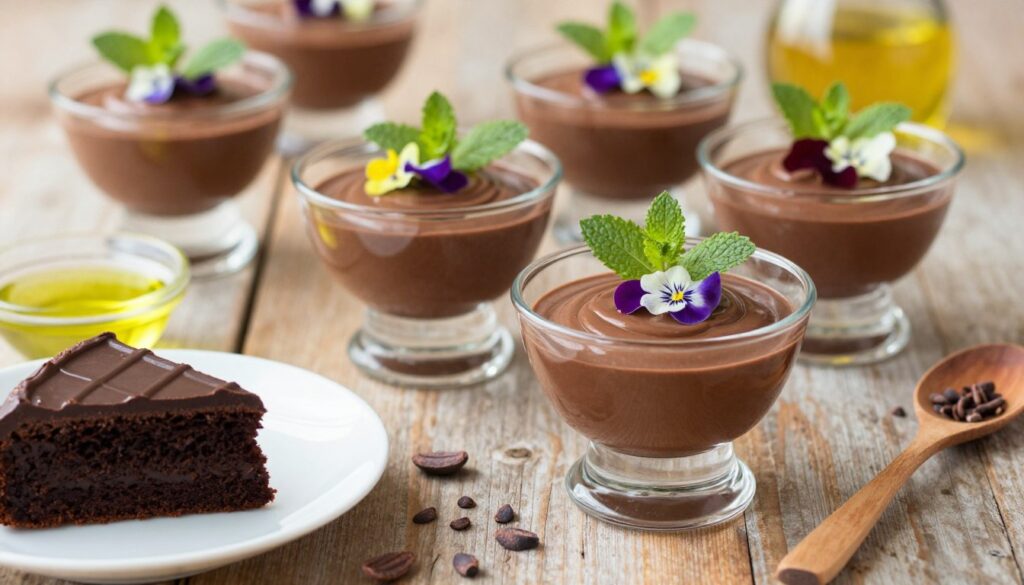
The final step in your preparation is choosing the right glassware to showcase your hard work. Clear, elegant vessels allow the beautiful, airy texture of the finished mousse to shine through. Consider using small glass ramekins, crystal coupes, or even simple martini glasses for a sophisticated look.
These vessels not only look stunning but also help control portion sizes for your guests. A transparent container highlights the rich, dark color of the chocolate against the subtle sheen of the olive oil. It truly turns a simple dessert into a visual masterpiece.
| Tool | Primary Purpose | Key Benefit |
|---|---|---|
| Stainless Steel Bowl | Melting Chocolate | Even heat distribution |
| Digital Thermometer | Monitoring Heat | Prevents chocolate seizure |
| Balloon Whisk | Aerating Meringue | Creates light, fluffy texture |
| Glass Ramekins | Serving | Enhances visual presentation |
Preparing the Chocolate Base
The secret to a truly professional mousse lies in how you prepare the chocolate base. This foundational step determines the final mouthfeel of your creamy chocolate dessert, ensuring it remains smooth and decadent rather than grainy.
Melting Chocolate Using the Double Boiler Method
To melt your chocolate safely, use a double boiler setup. Place a heat-proof bowl over a pot of simmering water, ensuring the bottom of the bowl does not touch the water directly. This gentle steam provides consistent heat that prevents the cocoa solids from scorching or seizing.
Stir the chocolate continuously with a silicone spatula until it reaches a uniform, glossy consistency. Patience is key here, as rushing the process can lead to uneven melting and a compromised texture.
Incorporating Olive Oil for a Silky Texture
Once the chocolate is fully melted and smooth, it is time to introduce your high-quality extra virgin olive oil. Slowly drizzle the oil into the chocolate while whisking steadily to create a stable emulsion. This process transforms the mixture into a luxurious, velvety base that will hold its structure beautifully.
The olive oil adds a unique depth of flavor while enhancing the natural richness of the cocoa. Proper emulsification is the difference between a standard mousse and a gourmet experience.
Achieving the Perfect Temperature Before Mixing
Before you combine your base with other ingredients, you must allow it to cool slightly. If the chocolate is too hot, it will deflate the delicate air bubbles in your egg whites or cream. Aim for a temperature that feels just warm to the touch, which ensures the mixture remains fluid but stable.
Monitoring this stage prevents the fat from separating later, keeping your creamy chocolate dessert perfectly consistent. Taking these extra moments to check the temperature guarantees a professional result every time.
Mastering the Egg White Meringue
The foundation of a luxurious mousse lies in the structure of your whipped egg whites. When you incorporate these delicate bubbles into your chocolate base, they provide the lift needed for that signature ethereal mouthfeel. Achieving this requires patience and a steady hand.
Techniques for Stiff Peaks
To reach the perfect consistency, start by whisking your egg whites at a medium speed until they become foamy. Gradually increase the speed as you introduce any sugar, which helps stabilize the protein structure. You are looking for stiff peaks, which means the whites stand straight up when you lift the whisk without drooping over.
If the peaks curl slightly at the tip, keep beating for a few more seconds. Precision is key here, as you want the whites to be firm enough to support the weight of the chocolate without becoming dry or grainy.
Avoiding Common Pitfalls in Meringue Making
One of the most frequent mistakes is allowing even a tiny drop of egg yolk to enter the bowl. The fat in the yolk prevents the proteins from bonding, which will stop your whites from ever reaching their full volume. Always separate your eggs into a small cup before adding them to your main mixing bowl.
Another issue is over-beating, which can cause the protein network to collapse and release moisture. If your meringue looks clumpy or watery, it has likely passed the point of no return. Keep a close eye on the texture throughout the process to ensure it remains smooth and glossy.
The Importance of Room Temperature Ingredients
Many home bakers overlook the temperature of their ingredients, but this is a non-negotiable step for success. Room temperature egg whites have a lower surface tension, allowing them to whip up faster and reach a greater volume than cold ones. If you are in a rush, place your eggs in a bowl of warm water for five minutes before cracking them.
| Issue | Cause | Solution |
|---|---|---|
| Flat Meringue | Yolk contamination | Use clean, grease-free bowls |
| Grainy Texture | Over-beating | Stop when peaks are stiff |
| Low Volume | Cold eggs | Bring eggs to room temp |
| Weeping | Sugar added too fast | Add sugar slowly in stages |
Folding Techniques for Maximum Aeration
The final stage of creating a luxurious mousse requires a gentle touch and careful technique. While the individual components may look perfect, the way you bring them together determines the final mouthfeel of your dessert. Patience is your greatest asset during this phase of the process.
The Gentle Art of Combining Mixtures
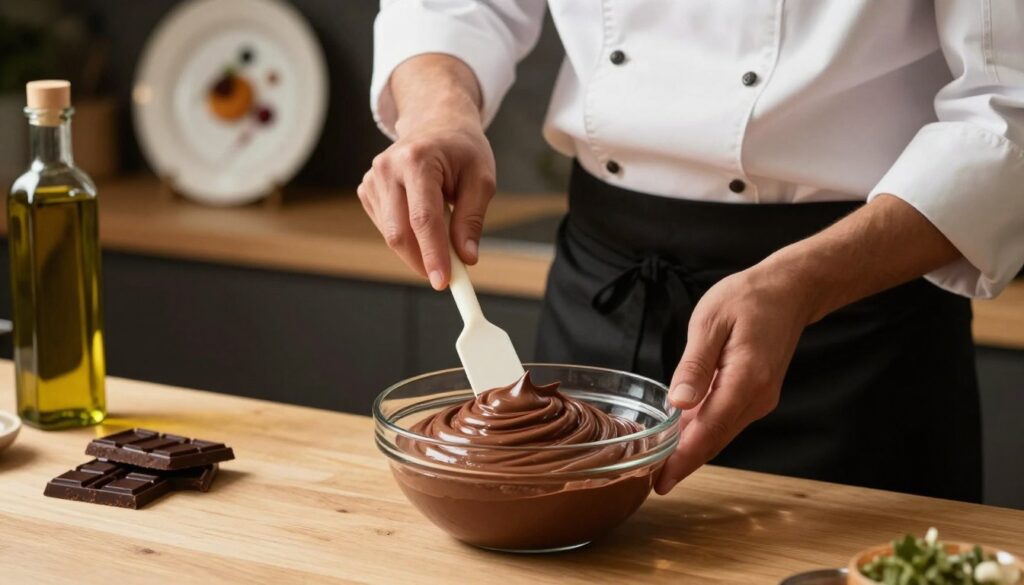
To begin, take a large rubber spatula and place a small portion of your meringue into the chocolate base. This lightens the density of the chocolate, making it easier to incorporate the rest of the whites without losing air. Always use a circular motion, cutting down through the center and sweeping along the bottom of the bowl.
Rotate the bowl as you work to ensure even distribution. Avoid aggressive stirring, as this will immediately crush the delicate air bubbles you worked so hard to create. Keep your movements slow, steady, and deliberate to maintain the integrity of the mixture.
Maintaining Volume in Your Mousse
You will know you have reached the perfect consistency when the mixture appears uniform in color and texture. It is vital to stop folding the moment the last streaks of white disappear into the chocolate. Over-mixing is the most common cause of a dense or heavy dessert.
If you notice the mixture starting to look glossy and slightly loose, you are likely at the ideal stage. The mousse should still hold its shape while appearing light and airy. Trust your eyes and stop immediately once the ingredients are fully combined.
Troubleshooting Deflated Mousse
Sometimes, despite your best efforts, the mixture may lose its volume. If you find your mousse looks thin or runny, do not panic. You can often salvage the texture by gently folding in a small amount of freshly whipped cream or an extra egg white to restore some structure.
If the mixture has completely collapsed, it may be best to chill it and serve it as a rich chocolate ganache or a pudding-style dessert. Learning to adapt is part of the joy of working with natural ingredients. With practice, you will develop the intuition needed to keep your mousse light and cloud-like every single time.
The Chocolate Olive Oil Mousse Recipe
Preparing this elegant dessert requires patience and attention to detail, but the final result is truly worth the effort. By following these precise steps, you can master the art of making a silky, rich chocolate olive oil mousse in your own kitchen.
Step-by-Step Preparation Instructions
Begin by melting your high-quality dark chocolate using a gentle double boiler method until smooth. Once melted, remove the bowl from the heat and slowly whisk in your extra virgin olive oil to create a glossy, emulsified base.
In a separate clean bowl, whip your egg whites until they reach stiff, glossy peaks. Gently fold the chocolate mixture into the egg whites using a rubber spatula, ensuring you maintain as much air as possible for a light texture.
Timing and Resting Requirements
Patience is the secret ingredient in this chocolate mousse recipe. Once the mixture is combined, transfer it into individual serving glasses or a large bowl.
You must refrigerate the mousse for at least four hours before serving. This resting period allows the fats in the olive oil and chocolate to solidify, creating that signature velvety mouthfeel.
Storage and Shelf Life Tips
If you have leftovers, cover the containers tightly with plastic wrap to prevent the mousse from absorbing other refrigerator odors. Because this recipe uses raw eggs, it is best consumed within 24 to 48 hours for optimal safety and flavor.
Always keep the dessert chilled until the very moment you are ready to serve. This ensures the structure remains firm and the flavor profile stays balanced.
| Process Stage | Estimated Time | Key Goal |
|---|---|---|
| Preparation | 20 Minutes | Achieve smooth emulsion |
| Folding | 10 Minutes | Maintain aeration |
| Chilling | 4+ Hours | Set the texture |
Creative Flavor Variations
Once you have mastered the foundational recipe, the world of flavor becomes your playground. You can easily transform your basic mousse into a gourmet olive oil dessert by experimenting with bold, complementary ingredients. These simple adjustments allow you to tailor the final profile to suit your personal palate or a specific theme.
Adding Sea Salt and Citrus Zest
A small pinch of flaky sea salt acts as a flavor enhancer, cutting through the richness of the chocolate. It highlights the fruity notes often found in high-quality extra virgin olive oil. Similarly, adding fresh citrus zest provides a bright, acidic contrast that keeps the palate refreshed.
Try using orange zest for a classic pairing or lemon zest for a sharper, more vibrant finish. These additions turn a simple olive oil dessert into a sophisticated treat that feels like it came from a professional kitchen.
Infusing Herbs Like Rosemary or Thyme
For those who enjoy earthy undertones, infusing your oil with fresh herbs is a game-changer. Gently warm your olive oil with a sprig of rosemary or thyme before straining it and incorporating it into the chocolate base. This subtle infusion adds a sophisticated depth that pairs beautifully with dark cocoa.
Spicing It Up with Chili or Espresso
If you prefer a bit of excitement, consider adding a hint of heat or a bold caffeine kick. A tiny dash of chili powder creates a slow, warming sensation that lingers on the tongue. Alternatively, folding in a teaspoon of finely ground espresso powder intensifies the chocolate flavor, making this olive oil dessert truly unforgettable.
| Flavor Category | Recommended Add-in | Best Pairing Effect |
|---|---|---|
| Citrus | Orange Zest | Brightens the richness |
| Herbal | Fresh Rosemary | Adds earthy complexity |
| Spiced | Chili Powder | Provides a warm finish |
| Bold | Espresso Powder | Deepens cocoa notes |
Serving Suggestions and Pairings
Transforming a simple dessert into a show-stopping masterpiece requires just a few strategic additions. Presentation is the final step in creating a truly luxurious experience for your guests. By focusing on texture and color, you can elevate the humble mousse into a sophisticated treat.
Toppings That Complement Olive Oil
The unique, grassy notes of high-quality extra virgin olive oil deserve garnishes that highlight their complexity. A light drizzle of the same oil used in the recipe adds a beautiful sheen and intensifies the flavor profile. Consider these finishing touches to add crunch and visual appeal:
- Toasted hazelnuts or slivered almonds for a nutty contrast.
- A tiny pinch of flaky sea salt to make the chocolate pop.
- Edible flower petals for a touch of elegance.
- A light dusting of high-quality cocoa powder or shaved dark chocolate.
Pairing with Fresh Berries and Nuts
Because this mousse is incredibly rich, it benefits from the bright acidity of fresh fruit. The tartness of berries cuts through the dense, velvety texture of the chocolate, creating a perfectly balanced bite. You might also incorporate nuts to provide a satisfying crunch that contrasts with the airy, whipped consistency of the dessert.
Try serving your mousse alongside these fresh options:
- Fresh raspberries or blackberries for a sharp, acidic contrast.
- Sliced strawberries macerated in a little balsamic vinegar.
- Candied walnuts or pecans for a sweet, earthy crunch.
- Fresh pomegranate seeds for a vibrant pop of color and juice.
Wine and Beverage Pairings
Choosing the right drink can harmonize with the deep cocoa notes and the subtle fruitiness of the olive oil. A well-chosen beverage should enhance the dessert without overpowering its delicate balance. We recommend focusing on drinks that share similar flavor characteristics or provide a refreshing cleanse for the palate.
| Beverage Type | Recommendation | Why It Works |
|---|---|---|
| Red Wine | Ruby Port | Complements the dark chocolate intensity. |
| Coffee | Espresso | Cuts through the richness with bold bitterness. |
| Tea | Earl Grey | Citrus notes highlight the olive oil profile. |
Health Benefits of This Decadent Dessert
Discover how a simple swap in your kitchen can transform a classic treat into a nutrient-dense delight. Choosing a healthy dessert does not mean you have to settle for bland flavors or boring textures.
Antioxidants in Dark Chocolate
High-quality dark chocolate is much more than just a sweet treat. It is packed with flavonoids, which are powerful antioxidants that help protect your cells from oxidative stress.
By choosing chocolate with a high cocoa percentage, you maximize these beneficial compounds. This makes your indulgence feel truly rewarding for both your palate and your body.
Heart-Healthy Fats in Olive Oil
Extra virgin olive oil is a cornerstone of the Mediterranean diet for good reason. It provides a rich source of monounsaturated fats, which are known to support cardiovascular wellness.
When you incorporate this liquid gold into your mousse, you are adding essential nutrients rather than empty calories. It creates a luxurious mouthfeel that is both satisfying and nutritionally superior.
Why This Is a Better Alternative to Traditional Mousse
Traditional mousse recipes often rely heavily on heavy cream, which is loaded with saturated fats. By replacing that cream with olive oil, you create a lighter, more nutrient-dense version of the classic dish.
This innovative approach allows you to enjoy a sophisticated treat without the heavy feeling that often follows sugary desserts. It is the perfect way to maintain a balanced lifestyle while still celebrating your love for chocolate.
Common Mistakes to Avoid
Even the most skilled home cooks can encounter unexpected hurdles when working with delicate chocolate emulsions. While the process is rewarding, small errors in technique can sometimes alter the final texture or safety of your dessert. Understanding how to troubleshoot these moments ensures your culinary efforts remain consistently successful.
Preventing Seized Chocolate
Seizing occurs when a tiny amount of moisture comes into contact with melting chocolate, causing it to turn into a grainy, stiff paste. To prevent this, ensure all your bowls and utensils are completely dry before you begin. Even a single drop of water from a damp spatula can ruin the smooth consistency you are working to achieve.
If your chocolate does seize, do not panic. You can often rescue it by whisking in a small amount of warm water or additional olive oil, one teaspoon at a time. This helps to re-emulsify the cocoa solids and fats, bringing the mixture back to a smooth, glossy state.
Managing Oil Separation
Oil separation typically happens when the temperature of your melted chocolate and the olive oil are not properly aligned. If the chocolate is too hot or the oil is too cold, the emulsion will break, leaving you with a greasy layer on top. Always aim to have both components at a similar, lukewarm temperature before combining them.
If you notice the mixture starting to separate, try whisking it vigorously over a bowl of warm water. This gentle heat helps the fats integrate more effectively. Patience is key when working with emulsions, as rushing the process is the most common cause of a broken base.
Ensuring Food Safety with Raw Eggs
Working with raw eggs requires careful attention to hygiene to keep your dessert safe for everyone. Always use pasteurized eggs if you are concerned about potential bacteria, as these have been heat-treated to eliminate risks. Proper storage is equally important, so keep your eggs refrigerated until the exact moment you are ready to separate them.
Cleanliness in your workspace prevents cross-contamination during the preparation process. Wash your hands thoroughly after handling shells and ensure that all mixing equipment is sanitized. By following these simple safety protocols, you can enjoy your decadent mousse with complete peace of mind.
| Issue | Primary Cause | Quick Fix |
|---|---|---|
| Seized Chocolate | Water contamination | Add warm liquid slowly |
| Oil Separation | Temperature mismatch | Whisk over gentle heat |
| Grainy Texture | Overheating | Strain or re-melt gently |
| Flat Mousse | Deflated meringue | Fold more gently next time |
Conclusion
Mastering the art of chocolate olive oil mousse transforms your kitchen into a professional pastry studio. This recipe proves that gourmet results rely on simple, high-quality ingredients like premium dark chocolate and cold-pressed extra virgin olive oil.
You now possess the skills to balance rich cocoa notes with the silky texture of heart-healthy fats. This approach creates a truly unique healthy dessert that satisfies cravings without compromising on quality or flavor.
Experimenting with different olive oil varieties from regions like California or Tuscany allows you to customize the profile of your mousse. Share your creations with friends and family to showcase how elegant a simple, nutrient-dense treat can be.
Your journey into refined home cooking starts with this decadent dish. Keep exploring new flavor combinations to keep your dessert menu exciting and fresh. We look forward to seeing how you put your own creative spin on this classic culinary masterpiece.
FAQ
What makes this chocolate mousse recipe stand out from traditional versions?
Unlike classic recipes that rely heavily on heavy cream or butter, this chocolate mousse recipe utilizes premium extra virgin olive oil to create a sophisticated, silky texture. The olive oil enhances the complex notes of the cocoa, resulting in a more nuanced flavor profile that is both modern and incredibly decadent.
Does using oil change the flavor of this olive oil dessert?
Yes, but in a way that elevates the dish. A high-quality olive oil dessert leverages the fruity and peppery notes of the oil to balance the intense richness of dark chocolate. When you use a brand like California Olive Ranch or Lucini, you get a clean finish that isn’t as heavy as dairy-based alternatives.
How do I ensure I achieve a perfectly creamy chocolate dessert every time?
The key to a creamy chocolate dessert lies in the emulsion and temperature control. You must slowly whisk the olive oil into the melted chocolate to create a stable base and ensure your egg whites are at room temperature before whipping. This creates the stable, velvet-smooth mouthfeel that defines a professional mousse.
Is this considered a healthy dessert option compared to other treats?
While it remains a rich indulgence, it is a much healthy dessert alternative to traditional mousses. By swapping out saturated animal fats for heart-healthy monounsaturated fats and using dark chocolate high in antioxidants, you are fueling your body with better ingredients without sacrificing the gourmet experience.
What kind of chocolate works best for this recipe?
For the best structural integrity and flavor, use a high-quality dark chocolate with at least 70% cocoa solids. Brands like Valrhona or Guittard are excellent choices because they melt smoothly and provide a deep, bittersweet foundation that pairs perfectly with the botanical notes of the oil.
Why is the “folding” technique so important?
Folding is a gentle motion using a rubber spatula that incorporates the dense chocolate base into the airy egg whites without popping the air bubbles. If you stir too vigorously, you will lose the volume, resulting in a dense pudding rather than a light, airy mousse.
How long does the mousse need to rest before serving?
Patience is essential! The mousse needs to chill in the refrigerator for at least two to four hours. This resting period allows the fats to solidify and the flavors—especially the interaction between the chocolate and the olive oil—to fully meld together.
Can I add other flavors to this olive oil dessert?
Absolutely. This base is very versatile. You can add a pinch of Maldon sea salt to brighten the chocolate, or fold in fresh citrus zest. For a more adventurous twist, some chefs even infuse the oil with a hint of fresh rosemary or espresso powder to deepen the savory-sweet contrast.
What should I do if my chocolate seizes?
Chocolate seizes when a small amount of moisture enters the mixture, causing it to become grainy and clumped. To avoid this, ensure your mixing bowls and whisks are completely dry. If it does happen, sometimes whisking in a teaspoon of boiling water or a little more olive oil can smooth it back out, though prevention is always better.
How should I serve this to make it feel like a professional restaurant experience?
Presentation is everything. Serve the mousse in elegant glass ramekins or coupe glasses to show off the texture. Top it with a light drizzle of extra virgin olive oil, a few fresh raspberries, and perhaps some toasted hazelnuts for a satisfying crunch that complements the creamy chocolate dessert.